How Casinos Enter Public Life in Vietnam
Casinos in Vietnam sit within distinct visitor and local settings; learn how to separate venue details, public rules, and community perspectives before drawing conclusions.
What does a casino in Vietnam mean for the place around it: a workplace, a visitor attraction, a subject of public rules, or some combination? Casinos in Vietnam sit within distinct regional and local settings, so a useful account begins with the venue’s role rather than assuming that gaming defines the whole community.
A casino may be part of a hotel or a larger resort, while nearby residents encounter the same development through work, transport, business, or changes to familiar surroundings. Those connections are specific to a place; a description of one venue cannot stand in for every destination or local view.
Regional settings
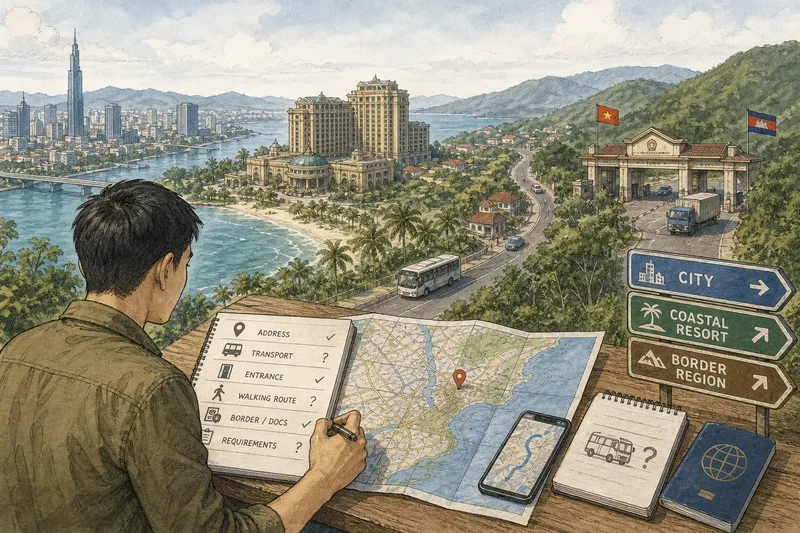
Vietnam’s coastal areas, cities, and border regions have different patterns of travel and daily life. A casino associated with a resort destination raises different questions from one discussed in relation to a border crossing or a city’s visitor services. Naming the region and the type of setting helps readers understand which context matters.
Public discussion can also combine several subjects: gaming, hospitality, tourism, employment, and regulation. Keeping them distinct makes the conversation more useful. A statement about a hotel’s visitor facilities, for instance, does not by itself explain the casino’s rules or its significance to nearby households.
Places and neighbors
Casinos are not detached from their surroundings. Roads, hotels, restaurants, shops, and residential areas shape how a venue fits into a destination, while local accounts may focus on jobs, access, business activity, or neighborhood change. These are possible lines of inquiry, not conclusions that apply everywhere.
Consider the difference between a venue description and a community account. The first may explain what visitors can find on site; the second may describe how people living nearby experience the area. Like a map beside a bus stop, one source can help locate a place without telling you what daily life there feels like.
Public claims
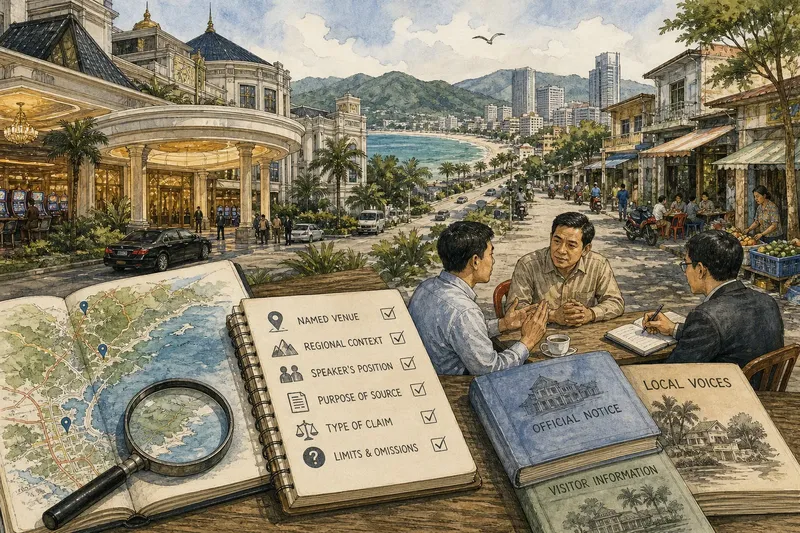
Before repeating a claim about a casino or its local role, check what it identifies and what evidence it offers. Use each finding to decide whether to accept the claim as stated, narrow it, or seek another source:
- Named venue: If the account identifies a casino or resort, keep the claim attached to that place; if it names only a broad destination, seek a source that specifies the venue.
- Regional context: If the source locates the venue in a particular city, coastal area, or border region, retain that setting; if it gives no location, do not apply the claim to a specific community.
- Speaker’s position: If the speaker is identified as a resident, visitor, official, or business representative, describe the view as coming from that position; if the speaker is unclear, look for an attributed account before treating it as a local perspective.
- Purpose of the source: If an official notice states a rule, use it for that stated rule; if a travel or promotional page describes amenities, use it for those details and consult a relevant official source for policy claims.
- Type of claim: If the claim concerns employment, look for information that addresses work at the named venue; if it concerns neighborhood experience, seek a locally situated account rather than inferring residents’ views from visitor material.
- Limits and omissions: If the source identifies what it does not cover, preserve that limitation; if it omits a relevant local or policy perspective, qualify the claim and seek a source focused on that gap.
Comparing sources
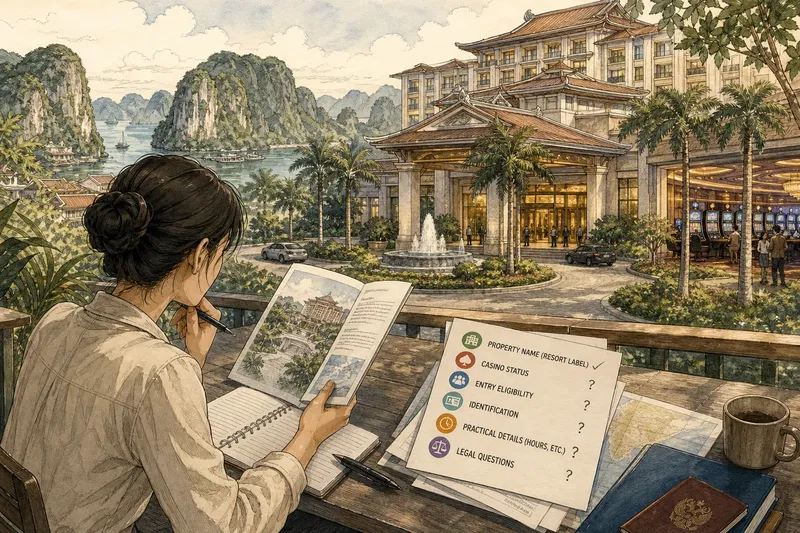
Imagine an invented visitor page for a resort in a coastal town. It names a hotel with a casino, lists dining and entertainment, and gives no account of nearby residents or public rules. First, treat the page as a description of visitor facilities, not as an account of the town. Then consult an official notice if the question concerns rules, and a clearly attributed local account if it concerns residents’ experience. The resulting judgment is that the page describes a resort with a casino, while leaving community perspectives and policy context unanswered.
If sources appear to conflict, compare their locations, speakers, and purposes. A visitor page and a local account may address different parts of the same place, so the right response may be to keep both claims within their stated scope rather than choose one as the whole story.
Questions about local context?
Are casinos in Vietnam part of resorts?
Some are discussed as part of larger visitor settings, but the relationship depends on the venue. Check whether a source describes a standalone casino, a hotel, or a broader resort before extending its claims.
How can I learn about a casino’s local role?
Start with the named venue and its location, then look for accounts that address the specific local question, such as work, access, or neighborhood experience. Keep visitor descriptions separate from residents’ perspectives.
Where should I check claims about rules?
Use an appropriate official notice for the rule it states, and check that the notice applies to the venue or issue in question. For legal questions affecting a particular person or business, consult a qualified professional.
Can visitor information represent local opinion?
Not on its own: visitor information is usually about services or facilities, not a community’s views. Look for clearly attributed local accounts before describing what residents think.
Keeping claims local
When discussing casinos in Vietnam, name the venue, region, and kind of claim whenever those details are available. That small discipline keeps a resort description from becoming a claim about an entire town, and leaves room for local accounts to describe what visitor material does not.