How to Check Casino Visitor Information in Vietnam
Casino visitor information in Vietnam can clarify entry, services, and visitor expectations, helping you decide what to confirm before planning a visit.

What can casino visitor information in Vietnam actually tell you before you plan a visit? A venue page can describe the operator’s offer, while a brochure can present its character; neither necessarily answers whether a particular service or entry arrangement applies to your visit.
Separate claims from arrangements
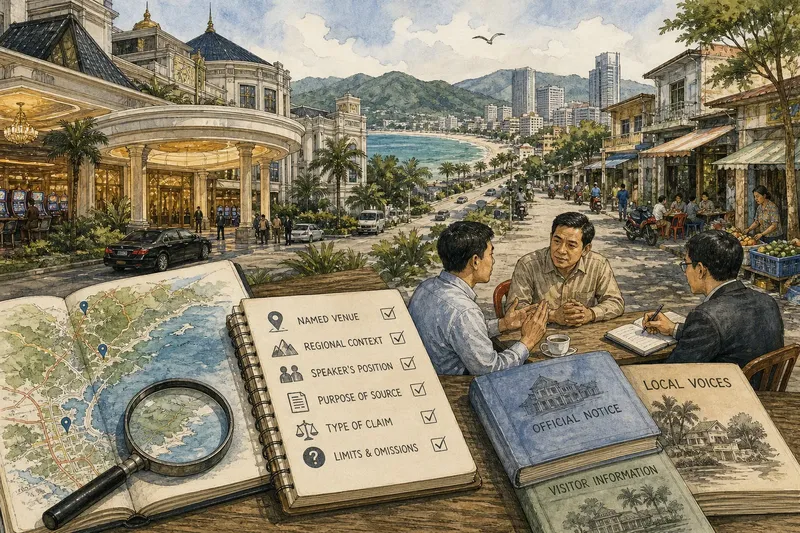
Read each source for the kind of information it is meant to provide. A brochure is designed to convey an impression: it may emphasize dining, entertainment, architecture, or hospitality. Visitor guidance is more useful for stated conditions and arrangements, while a direct reply can address a question the published material leaves open.
This distinction matters because a polished description can feel more definite than it is. Treat promotional language as a description of how the property presents itself, not as confirmation of what will be available when you arrive.
Read for useful detail
As you review a venue page, note what it says about entry conditions, visitor services, and contact channels. Keep each claim separate: a listed amenity does not establish its current availability, and a general statement about access may not resolve a question about your circumstances.
- Entry wording: If the page clearly describes conditions relevant to you, compare them with your situation; if it is silent or ambiguous, ask the property or consult relevant official guidance before relying on it.
- Named services: If a service is described without a schedule or availability detail, ask whether it applies to your intended visit; if not, decide whether the outing still makes sense without it.
- Promotional claims: If a brochure highlights dining or entertainment, treat that as a sign of what the operator wants to feature; if your plan depends on a specific offering, seek a direct confirmation instead.
- Contact options: If the page provides a phone number, email, or inquiry form, use the channel that lets you ask a precise question; if no response arrives, avoid treating silence as confirmation.
- Unclear language: If a term could refer to several kinds of access or service, ask what the property means in plain terms; if the answer remains vague, leave that detail out of your plan.
- Conflicting descriptions: If a venue page and brochure describe the same service differently, ask which description applies to your intended visit; if no clear answer follows, make a plan that does not depend on the disputed claim.
Use each source well
A venue page is a starting point for the operator’s published information. Look for the specific language that relates to your question rather than assuming that a general description covers every service or visitor.
A brochure has a different job. It can help you decide whether the property’s stated atmosphere interests you, but it is not a schedule or a personal eligibility decision. Think of it as a menu illustration: useful for understanding what is being presented, not proof that every pictured item is available.
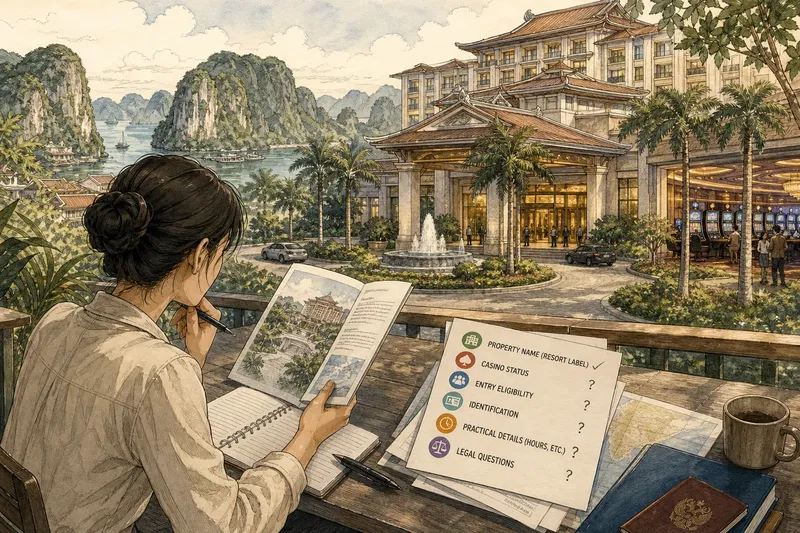
For questions about local requirements or personal eligibility, do not infer an answer from promotional material. Check an appropriate official source, and consult a qualified professional if your circumstances call for individual advice.
Questions about sources?
Can a website confirm who may enter?
It may state entry conditions, but missing or unclear wording does not establish that you qualify. Ask the property about the condition at issue and consult relevant official guidance where local rules matter.
Does a brochure show what is available?
A brochure may feature a service without stating when it is offered or whether it applies to your visit. Ask about the particular service and your intended plans before depending on it.
What if the published details conflict?
Ask the property which statement applies to the service or arrangement you have in mind. If the reply does not resolve the conflict, exclude that claim from plans that depend on it.
How can you compare properties fairly?
Compare the clarity of their published visitor information and the answers they give to comparable questions. Treat descriptions of atmosphere as each operator’s presentation, not as a standardized account of what a visit will include.
Work through one decision
Imagine you are considering a property whose brochure describes a restaurant and public areas. Its visitor page names both, but says nothing about whether the restaurant will serve visitors on your planned evening or whether the public areas are accessible under your circumstances.
You have two fixed plans: dinner at that restaurant and a visit to the public areas. You send the property one message asking whether each plan is available to you that evening, then record the replies separately. If the reply confirms both, you can keep the outing as planned; if it confirms only the public areas, you can keep that part and arrange dinner elsewhere; if it answers neither question clearly, you can choose an outing that does not rely on either claim. The decision follows from the actual answers, not from the brochure’s broad description.
Keep uncertainty visible
When comparing casino visitor information in Vietnam, distinguish what the operator states, what its promotional material suggests, and what remains unresolved. That record helps you avoid turning an appealing description into an assumption about access or service.
If a reply leaves a specific point unanswered, keep that uncertainty attached to that point rather than discarding all the information you have. You may still use confirmed details to shape your plans, while leaving the unresolved part flexible until you have a clear basis for deciding.