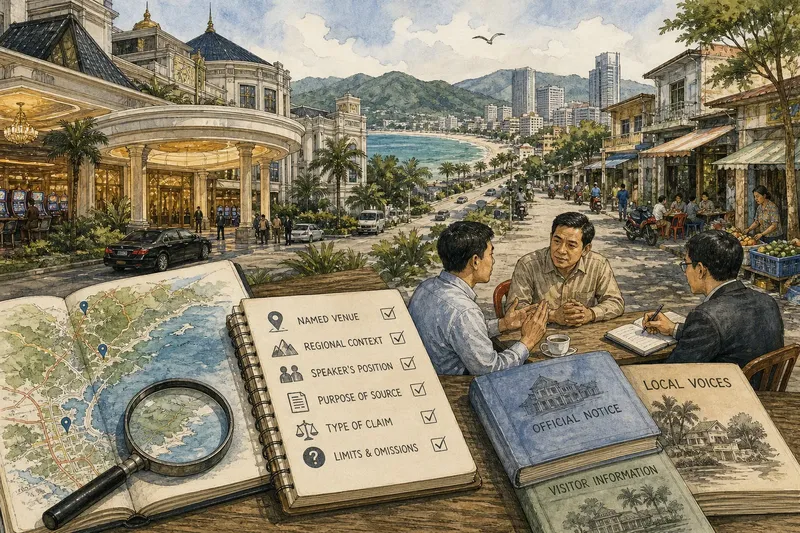
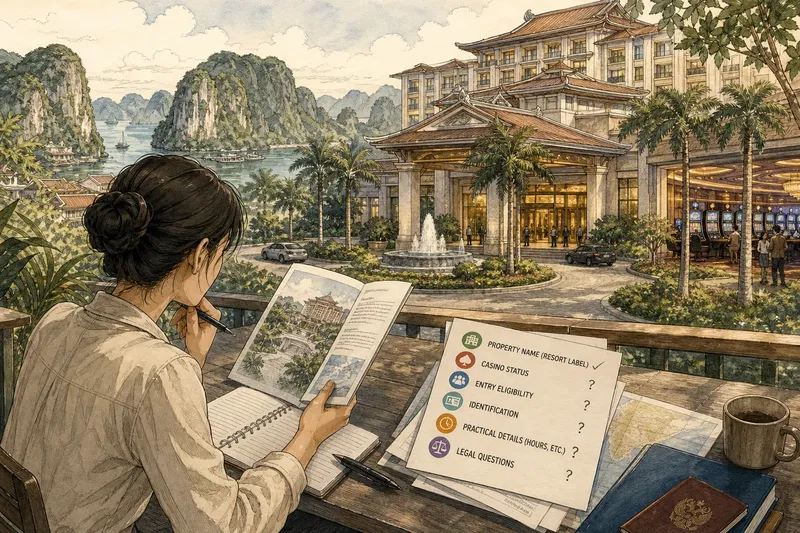
How Casinos in Vietnam Fit Into Their Regional Settings
Casinos in Vietnam vary by regional setting. Learn how to check a venue’s address, transport, entrance, and visitor requirements before planning a visit.
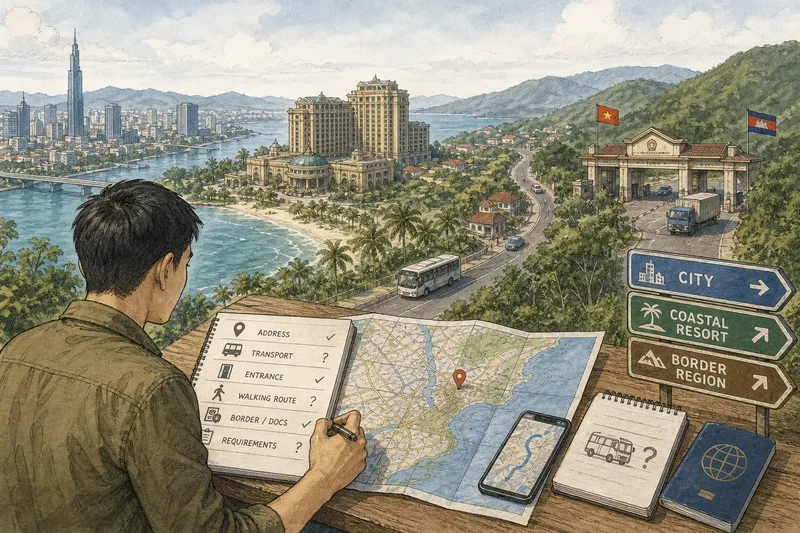
What should you know before visiting a casino in Vietnam? The address and regional setting can shape the practical plan: a venue in an urban district may call for different transport checks than one in a coastal development or a border region.
Regional settings
Vietnam’s casinos are associated with varied settings, including cities, visitor developments, and areas near international borders. These locations sit within distinct regional networks of roads, towns, tourism services, and public transport, so the name of a province or district is only a starting point for planning.
Begin with the venue’s exact address. Check which city or province it names, identify nearby towns and landmarks, and compare the details with current maps and the venue’s visitor directions. In a border region, also verify the route and any relevant crossing arrangements rather than assuming that a nearby crossing is part of the visit.
Regional connections
A venue’s setting can affect how visitors approach it. A city address may connect to a street grid and local services; a resort or coastal location may be reached by a longer road journey; and a border-area destination may sit within a regional travel corridor. These are planning distinctions, not descriptions of every venue in those areas.
Compare available routes by their actual endpoints, not by a broad label such as “coastal” or “near the border.” Check road access, pickup points, and whether the route reaches the visitor entrance. A useful analogy is a parcel label: it identifies a destination, but it does not tell you which door accepts the delivery.
Visitor planning
Before leaving, compare the venue’s published directions with current mapping and transport information. Confirm the address, the entrance visitors should use, and how the final approach works. For walking, check for a continuous public route rather than relying on a line between two map pins.
- Address: If the venue’s current directions and map show the same address, use that destination; if they differ, contact the venue to confirm the correct address before setting out.
- Transport stop: If current local information confirms service to a nearby stop, plan around its stated route; if service is unconfirmed, ask the venue or a transport provider and choose another confirmed connection if needed.
- Entrance: If the visitor entrance is named in current directions, follow it; if the directions omit an entrance or show conflicting gates, ask the venue which entrance is open to visitors.
- Walking route: If the route follows public streets or paths with clear crossings, consider it; if it crosses private land or has an unclear connection, arrange another route or transport.
- Border travel: If your journey uses an international crossing, check current official crossing information and required travel documents; if those details are unclear, consult the relevant authority before departing or choose a route that avoids the crossing.
- Visitor requirements: If current venue information states entry requirements clearly, prepare accordingly; if requirements are missing or inconsistent, ask the venue for clarification before traveling.
Location questions
Is the casino in a city or a remote area?
Check the exact address on a current map, then identify the surrounding district, roads, and named services. Use promotional labels as clues, but rely on the address and route details for planning.
Can I reach nearby places on foot?
Trace a continuous route on public streets or paths and check crossings, barriers, and access information. If the route is unclear, confirm locally or arrange another mode of transport.
Does a nearby business share visitors?
Being close together does not establish that businesses share customers or operate as part of the same visitor circuit. Treat that as a separate question and consult credible local information if it matters to your plans.
What should I confirm before leaving?
Confirm the address, visitor entrance, transport connection, and any stated entry requirements. If details conflict or remain unclear, ask the venue or consult an appropriate local source before traveling.
A route decision
Imagine a traveler planning a visit to a casino outside a city center. Their starting notes list one venue address, a map showing one nearby bus stop, and directions that name a visitor entrance but do not explain the bus service.
The traveler first compares the address in the directions with the map; both name the same destination, so they keep that address. Next, they check current local transport information for the stop; it does not confirm a usable service, so they contact the venue. The venue confirms the entrance but cannot confirm the bus connection, so the traveler arranges a separately confirmed ride to that entrance instead of relying on the map marker. If no ride can be confirmed, the practical decision is to postpone the trip.
For casinos in Vietnam, regional context is most useful when it helps answer a concrete travel question. Verify the details that shape your route, and check current official information whenever a journey involves border crossings or entry requirements.